
Mini Dumper Factory evaluation should begin with a clear review of product specifications, production arrangements, and order requirements. For international importers, distributors, and construction equipment dealers, purchasing decisions involve more than comparing prices. Buyers need to understand how each model is assembled, how technical requirements are confirmed, and how finished equipment is prepared for delivery.
Examine the Structure and Main Components
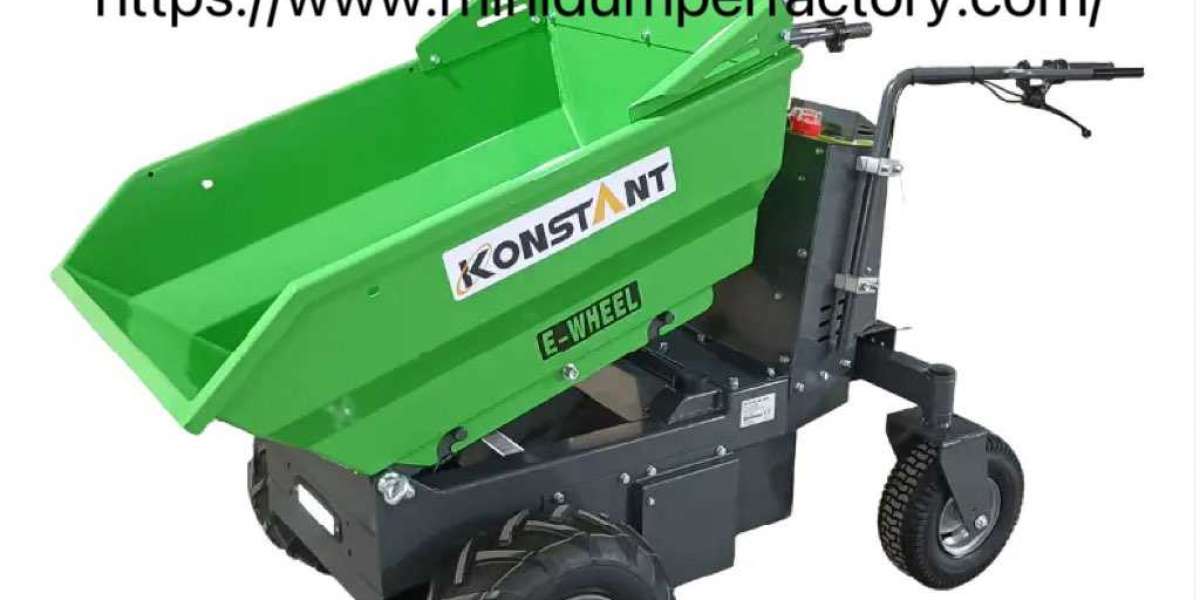
The frame, hopper, chassis, and unloading mechanism all influence how a compact transport machine operates. Buyers should request detailed photographs, drawings, or videos showing the main structural parts.
Pay attention to frame dimensions, welding areas, hopper construction, and the arrangement of mechanical components. If the equipment will carry soil, gravel, construction waste, or landscaping materials, the selected structure should correspond with the expected workload.
Ask for the relevant material information and technical specifications. This gives purchasing teams a clearer basis for comparing different models and discussing possible adjustments.
Compare Drive Systems and Operating Configurations
Different job sites require different travel arrangements. Some projects involve narrow access paths, while others require movement across uneven ground or outdoor working areas.
Available configurations include battery-driven and gasoline-engine models, as well as tracked and wheeled designs. Buyers should consider operating duration, ground conditions, maintenance access, turning space, and transportation requirements before selecting a model.
It is also useful to check the transmission, steering arrangement, braking system, and travel controls. Request confirmation of the specifications for the exact model being quoted, especially when several versions have similar appearances.
Review Hydraulic and Unloading Functions
The unloading system directly affects material transfer during daily work. Buyers should identify the tipping direction, lifting method, bucket dimensions, and unloading controls before confirming a configuration.
Consider where materials need to be discharged. A project involving raised platforms may require different unloading arrangements from one using ground-level collection areas. The receiving height and available working space should therefore be included in the technical discussion.
Ask for operating videos or arrange a sample inspection when possible. Observing the lifting and tipping process can help buyers check movement, control response, and compatibility with their intended workflow.
Confirm Customization Details Before Production
Importers and distributors may need specific product colors, logos, nameplates, instruction manuals, or accessory combinations. These requirements should be communicated before the order enters production.
Prepare logo files, color references, language requirements, drawings, and sample images. Ask which modifications are available and whether they affect the quotation, minimum order quantity, or delivery schedule.
The website lists customization options covering colors, logos, nameplates, manuals, and accessories. It also describes development according to customer drawings or samples. Buyers should confirm the technical feasibility and approval procedure for each requested change.
Establish a Practical Inspection Checklist
A clear inspection plan helps both parties understand the expected condition of the finished equipment. Buyers can prepare a checklist covering frame construction, welding appearance, fasteners, controls, hydraulic connections, electrical components, and general assembly.
Functional checks should also reflect the selected configuration. Depending on the model, these may involve engine or motor operation, steering response, braking, travel movement, and unloading performance.
Before placing a larger order, discuss whether sample approval or pre-shipment inspection can be arranged. Confirm the inspection items, acceptance criteria, and method for recording any issues. Written records can also serve as references for repeat orders.
Prepare Spare Parts and Maintenance Information
After-sales arrangements should be considered during the purchasing stage. Buyers should ask which parts require routine maintenance and which components may need replacement during regular operation.
Request information about lubrication points, service intervals, hydraulic maintenance, engine or battery care, and commonly used replacement parts. For overseas distributors, clear maintenance documents can help local service teams respond to customer questions.
It is also useful to clarify warranty conditions, technical communication channels, and the procedure for ordering replacement components. These details help purchasing teams prepare for product support after delivery.
Coordinate Packaging and International Delivery
Before confirming an order, review the packaging method, loading quantity, gross weight, shipping dimensions, and required export documents. Equipment size and weight can influence container planning and transportation costs.
If the order contains several models, request a detailed packing list identifying each unit, accessory, and spare part. Confirm whether customized labels, manuals, or nameplates will be included in the shipment.For buyers preparing a new sourcing project, a written specification sheet can make communication easier. Include the intended application, model, quantity, technical configuration, customization requirements, inspection criteria, and destination details. To review available products and discuss purchasing arrangements, visit https://www.minidumperfactory.com/product/ and contact the team with your requirements.