
Packaging requirements vary according to product structure, transportation conditions, and presentation preferences. Businesses looking for adaptable wrapping materials may consider Crosslinked Shrink Film as an option for applications requiring consistent coverage and a neat finish. With packaging solutions from jtpackage, businesses can review material characteristics and consider how different film specifications fit their production processes and commercial requirements.
Modern packaging involves more than placing a protective layer around merchandise. It connects product preparation, storage, distribution, and customer presentation. The material selected for wrapping can influence how products are handled and how they appear after packaging. For this reason, businesses should pay attention to both the physical properties of the film and its suitability for their intended applications.
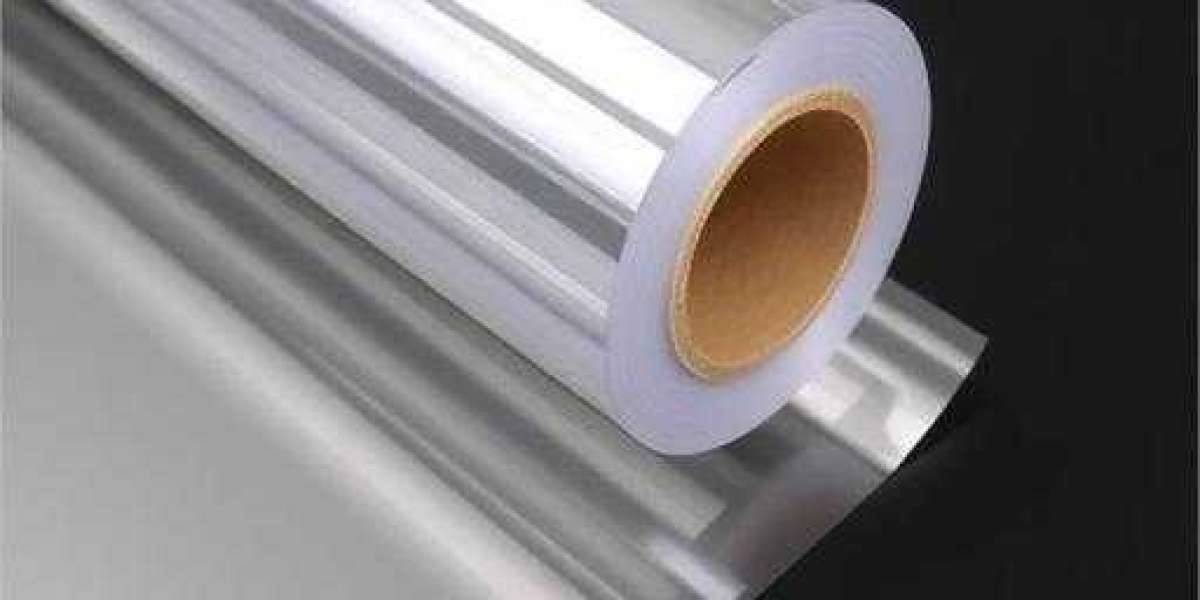
Crosslinked shrink film is produced through a process that modifies the structure of the polymer material. This treatment influences the film's physical characteristics and its behavior during packaging operations. When exposed to appropriate heat, the material shrinks around the product, helping create a close-fitting package. Its characteristics make it relevant to applications where wrapping performance and finished appearance are important considerations.
A significant aspect of this material is its suitability for different packaging situations. Products with varied shapes, edges, and dimensions may require wrapping materials that can accommodate specific packaging conditions. Selecting an appropriate specification helps businesses coordinate the film with their products and machinery rather than relying on a single material choice for every application.
Product visibility also plays an important role in packaging decisions. Transparent shrink film allows packaged merchandise to remain visible, making it possible for customers and distributors to recognize product details without opening the package. This feature can be useful for retail goods, household products, printed materials, and various consumer items.
For manufacturers and packaging businesses, processing compatibility deserves careful attention. Film width, thickness, roll specifications, sealing conditions, and heating equipment should all be considered before purchasing. Different production environments may require different material characteristics. Evaluating these factors helps reduce unnecessary adjustments during packaging operations and supports a more organized workflow.
Another consideration is the appearance of the finished package. A properly selected wrapping material can help products maintain a tidy and coordinated presentation. For businesses preparing merchandise for retail shelves or distribution channels, packaging consistency can contribute to product organization and handling convenience.
Crosslinked materials may also be considered when packaging requirements involve particular demands for durability and processing behavior. However, suitability depends on the specific product, equipment, and operating conditions. Businesses should communicate their application requirements clearly and review relevant material specifications before making a purchasing decision.
Packaging development also involves balancing practical requirements with changing customer expectations. Some businesses prioritize product visibility, while others focus on wrapping efficiency, package appearance, or compatibility with existing machinery. Understanding these priorities makes it easier to identify a material that fits the intended purpose.
Working with a knowledgeable packaging supplier can help businesses approach this selection process more systematically. Clear discussions about product dimensions, packaging methods, equipment conditions, and delivery requirements provide a useful foundation for evaluating suitable film options. This communication can also support future adjustments when product lines or packaging arrangements change.
Ultimately, choosing a wrapping material should begin with the product rather than assumptions about packaging trends. Reviewing material properties alongside real application requirements allows businesses to make decisions that support their daily operations and presentation goals. A carefully considered packaging approach can make product preparation more organized while maintaining attention to the finished package.
Every packaging project has its own requirements and possibilities. If you are considering a different direction for your wrapping process, now is a good time to gather fresh ideas. Visit https://www.jtpackage.com/product/ , browse the packaging information, and see what options may complement your upcoming plans. Let your next packaging decision begin with a closer look at the possibilities waiting on the website.