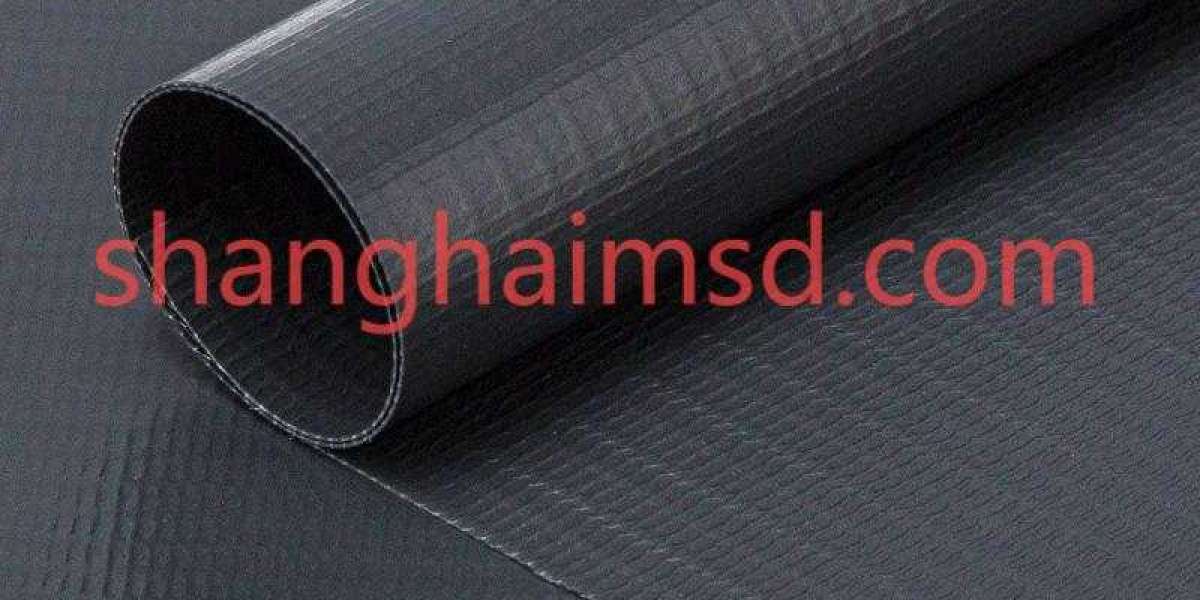

Visual communication plays an important role in how businesses present their products, share messages, and create recognizable spaces. For companies seeking adaptable materials for printed displays, PVC Flex Banner from ShanghaiMsd offers a practical option for bringing graphic concepts into physical environments. Its flexible structure and printable surface make it relevant to advertising displays, promotional graphics, event decorations, and other applications where visual content needs to connect with an audience.
A successful display begins with the relationship between the message and its presentation. Colors, images, typography, and layout all contribute to how information is received. Choosing an appropriate banner material helps designers translate these elements into a finished product that suits its intended setting. Whether the goal is to introduce a product, communicate a campaign message, or decorate a commercial space, material selection should support both the creative direction and the installation requirements.
Printing compatibility is an important consideration during production planning. Different printing systems, inks, and finishing methods can influence the appearance of the final graphic. Businesses should review the material's compatibility with their equipment and intended printing process before starting a project. Careful preparation can help maintain visual consistency and reduce avoidable adjustments during fabrication.
Flexibility also creates opportunities for different display formats. Depending on the product construction and project specifications, banner materials may be prepared for frames, suspended graphics, promotional backdrops, exhibition panels, and temporary advertising structures. Their adaptability allows designers to consider different presentation styles while keeping the practical needs of transportation, installation, and storage in view.
For retailers and event organizers, a display must fit naturally into its surroundings. A graphic intended for a shop interior may require a different finish and installation approach from one designed for a trade show or an outdoor promotional setting. Factors such as exposure to weather, mounting conditions, lighting, and expected handling should therefore be considered before choosing a suitable material.
Surface appearance deserves attention as well. The interaction between the printed image and the material can influence color presentation, detail visibility, and the overall character of a display. Businesses should communicate their visual expectations clearly and discuss relevant product specifications with their supplier. This process helps align the selected material with the intended design and working environment.
Production planning can also benefit from considering what happens after printing. Cutting, edge finishing, fastening, and installation all contribute to the usability of a completed banner. By coordinating these details at an early stage, designers, printers, and purchasing teams can work toward a more consistent result. Clear project requirements also make it easier to compare available options according to their intended function.
As marketing environments continue to incorporate changing graphics and tailored presentations, flexible display materials remain useful for businesses that need room for creative adjustments. From retail promotions to exhibition graphics, a considered material choice helps connect visual storytelling with practical production needs. The right solution depends on the design, printing method, installation setting, and expectations for continued use.
Every display begins with an idea waiting to take shape. Give yours a place to start by visiting https://www.shanghaimsd.com/product/ . Browse the available material options, consider how they could fit your next visual project, and take the next step toward turning a design concept into a display people can engage with.