
Straight Air Die Grinder selection can influence the accuracy of metal finishing, especially when technicians need to work on narrow edges, shaped components, and detailed surfaces. For fabrication shops, automotive repair businesses, and industrial maintenance teams, achieving a consistent finish depends on suitable equipment, compatible attachments, and careful handling. Understanding these factors helps buyers choose a configuration that matches their daily workload while supporting repeatable results across different projects.
Precision work often begins with proper surface preparation. Metal components may have rough edges after cutting, small imperfections following casting, or uneven areas around welded joints. These details can affect assembly, appearance, and the fit between connected parts. Technicians need equipment that allows them to approach the target area carefully without removing unnecessary material. Selecting an appropriate tool configuration and abrasive attachment helps them manage these tasks according to the requirements of each workpiece.
Access is another important consideration. Components used in automotive systems, machinery, and metal fabrication can contain narrow channels, recessed sections, and internal contours. Larger equipment may be difficult to position around these features. An in-line tool body can help operators reach certain restricted areas while maintaining a clear view of the working surface. Buyers should compare overall length, body diameter, weight, and attachment dimensions to determine whether a model suits the spaces encountered during regular operations.
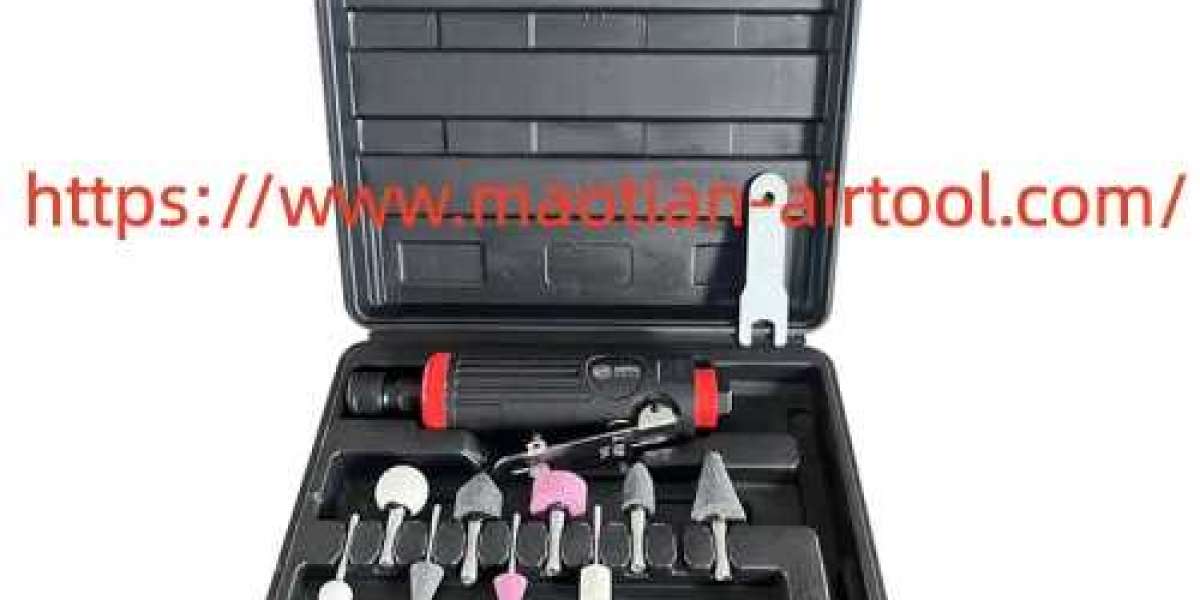
Attachment selection also influences the final result. Different materials and surface conditions call for different abrasive products. Mounted stones may be appropriate for selected shaping tasks, while rotary burrs can help remove material from detailed profiles. Polishing accessories may be used when the work requires a smoother appearance. Before purchasing, check the permitted accessory dimensions, shank size, operating speed range, and compatibility requirements. Using an attachment outside its specified limits can create safety risks and affect the quality of the finished component.
Speed control deserves attention when selecting equipment for detailed metalwork. Different materials respond differently to abrasive contact, and excessive pressure can remove too much material or produce unwanted surface marks. Operators should follow the recommended speed range for the selected accessory and adjust their technique according to the material and task. Buyers can ask manufacturers about available speed settings, trigger design, and operating characteristics. These details help workshops determine whether a model is suitable for delicate finishing or more substantial material removal.
The supply system should also match the equipment requirements. Check the recommended working pressure, consumption rate, inlet dimensions, and hose specifications before placing an order. The compressor must provide sufficient flow under the expected working conditions. If multiple pneumatic devices share the same system, their combined demand should be considered. Proper connections and routine inspection of supply lines can help reduce interruptions and support consistent operation throughout the working day.
Operator comfort matters during repeated finishing tasks. Housing shape, grip diameter, weight distribution, trigger position, and vibration characteristics can affect how easily a technician controls the equipment. A comfortable grip may help the operator maintain a steady hand position during detailed work. Workshops should consider who will use the equipment, how long each task usually takes, and whether access restrictions require unusual working positions. Practical demonstrations and technical documentation can help purchasing teams assess these factors before committing to an order.
Maintenance is another part of long term equipment planning. Regular cleaning, lubrication according to the product manual, and inspection of moving components can help identify wear before it interrupts scheduled work. Buyers should ask about service procedures, replacement parts, and recommended inspection intervals. It is also important to confirm that operators understand how to disconnect the compressed supply before changing attachments or performing maintenance. Appropriate eye protection, secure workpiece positioning, and compliance with accessory speed limits remain essential during operation.
For manufacturers and distributors, product consistency and clear specifications are important when sourcing workshop equipment. Before confirming a bulk order, review model numbers, attachment options, packaging details, minimum order quantities, and delivery schedules. If a particular configuration is required for a customer group, provide the supplier with the intended applications and technical requirements. Written confirmation of the agreed specifications helps both parties manage expectations and makes incoming inspections more straightforward.
Maotian provides pneumatic equipment for metalworking, automotive maintenance, and industrial servicing applications. Buyers can discuss their intended finishing tasks, accessory requirements, operating conditions, and order quantities when evaluating available models. To compare product options and contact the manufacturer about a suitable configuration, visit https://www.maotian-airtool.com/product/ Providing clear details about your workshop processes can help the Maotian team identify relevant products for your business requirements.