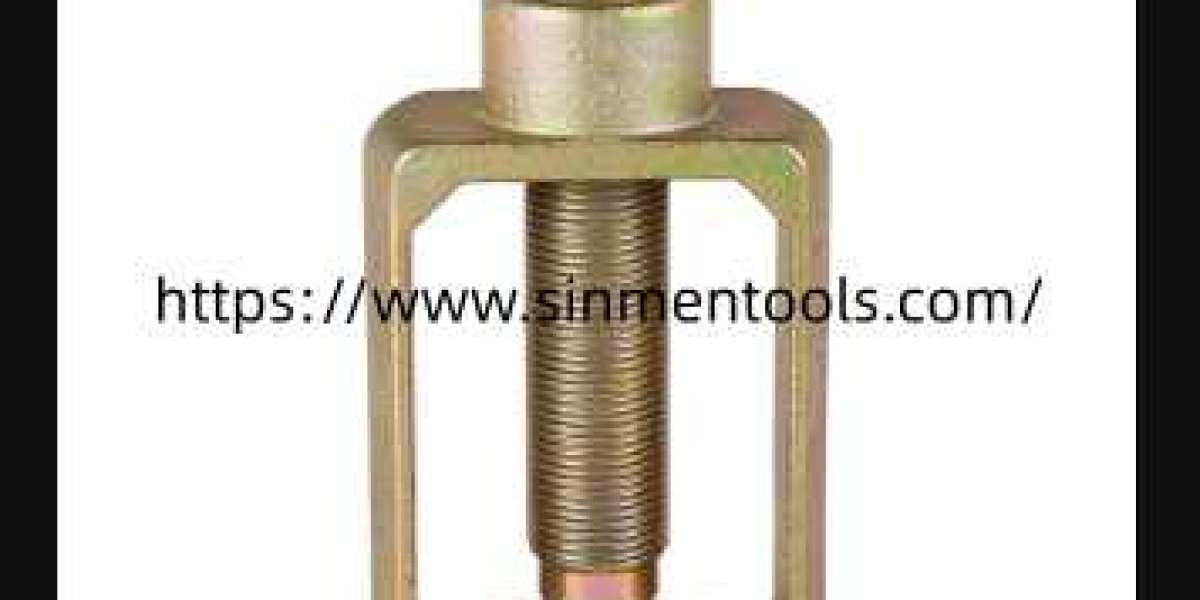

Mechanical assemblies often rely on bushings to manage movement between connected parts and limit direct contact between surfaces. When these components become worn, replacement requires more than simply pushing the old part out and inserting a new one. Technicians need to understand the housing, the direction of installation, and the support required around the working area. A Bushing Press Kit can provide a selection of adapters and pressing components for compatible jobs, helping technicians organize the process around the specific assembly rather than improvising with unrelated workshop tools.
The quality of a press kit begins with the materials used in its construction. Sleeves, adapters, and supporting pieces need to maintain their intended form under the conditions for which they are designed. Contact surfaces should be finished appropriately so that they can engage components without introducing avoidable scratches or uneven pressure. The material must also suit the manufacturing process and the way the tool will be maintained between jobs. Buyers evaluating different products should consider material information, surface consistency, and visible workmanship together, rather than treating a heavy appearance or glossy finish as proof of quality.
One of the most important purchasing considerations is the relationship between the kit and the components being serviced. Bushings differ in shape, mounting position, and surrounding structure. Some installations provide clear access, while others leave little room for supporting adapters or positioning a pressing mechanism. Before selecting a kit, workshops should review the relevant service procedure and identify the contact areas that can safely carry the applied force. They should also check whether the included adapters suit the intended application. Asking a supplier for clear product information can prevent confusion when a kit is being considered for a particular maintenance task.
Adapter selection affects the way the tool interacts with the assembly. A correctly matched sleeve can help guide a bushing while providing clearance for the component as it moves. Supporting pieces can stabilize the housing, while the pressing mechanism transfers force according to the tool's intended design. If the adapter is poorly matched or the assembly is not aligned, the force may act against an unintended surface. This can lead to binding, deformation, or damage to surrounding parts. The practical value of a kit therefore depends on how well its individual pieces work together and how clearly users can identify the correct arrangement.
Manufacturing consistency is important when a kit contains multiple interchangeable components. Adapters should be recognizable, properly finished, and suitable for their stated applications. Threads and other connecting features need to be manufactured carefully so that the components can be assembled as intended. Consistency between pieces can also simplify inspection and maintenance, particularly in workshops where equipment is used by different technicians. Purchasing teams may ask about quality checks, product identification, and the way components are organized before shipment. These details can help them evaluate whether a kit is suitable for regular professional use.
A technician's experience is shaped by preparation as much as by the pressing operation itself. Searching for the correct sleeve, clearing a workspace, and arranging supporting components can become inconvenient when a kit is poorly organized. A practical case with clearly separated parts makes it easier to identify missing pieces and return equipment after use. Clear product markings can reduce uncertainty when several adapters look similar. Workshops may also benefit from a standard process for inspecting equipment, reviewing instructions, and preparing the work area before each repair. Good organization supports a steady workflow and helps reduce avoidable interruptions.
Safety and accuracy remain essential during bushing service. Technicians should inspect the kit for visible wear, deformation, damaged threads, or other defects before use. The assembly must be supported correctly, and the pressing direction should follow the applicable service procedure. Improvised sleeves or unsuitable substitutes can concentrate force in the wrong area, increasing the possibility of component damage or tool failure. Users should follow the instructions supplied by the tool and vehicle manufacturers, use appropriate protective equipment, and stop if the setup becomes unstable. Procedures that require specialized knowledge should be handled by trained personnel.
Product design also affects how easily a kit can be identified, stored, and maintained. Consistent surface finishes and clear markings help distinguish components, while a logical arrangement can make the complete set easier to manage. A protective case can keep smaller parts together during transport between work areas. Smooth, accessible surfaces may also simplify routine cleaning, depending on the materials and workshop conditions. These design choices are most useful when they serve a clear purpose: helping users recognize, inspect, and handle the equipment without adding unnecessary complexity.
For businesses sourcing mechanical maintenance tools, supplier discussions are more productive when they begin with a defined application and clear expectations. Buyers can explain the types of assemblies they service, the adapter arrangements they need, and their preferences for storage and product identification. Taizhou Xinming Technology Co., Ltd. is a point of contact for companies exploring workshop tools and related equipment. To review company information and available products, visit https://www.sinmentools.com/.