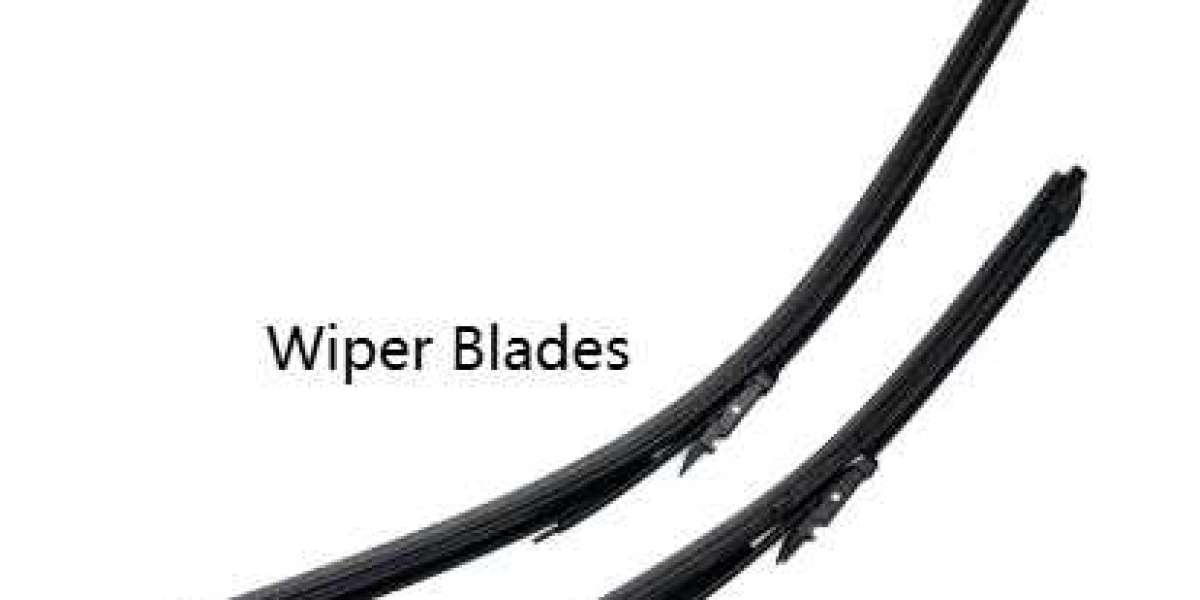

Wiper Blades selection requires careful attention to vehicle compatibility, material properties, mounting design, and expected operating conditions. For automotive distributors, repair shops, and importers, these factors influence product suitability, customer satisfaction, and inventory planning. Before requesting a quotation, buyers should define their application requirements and prepare clear specifications so suppliers can assess the requested configuration accurately.
Start with Vehicle Application Details
Compatibility should be confirmed before comparing prices or ordering samples. Different vehicles can require different lengths for the driver and passenger sides, while rear-window applications may use separate designs. Mounting systems can also vary between models, even when vehicles share the same brand.
Prepare the vehicle make, model, production year, required dimensions, and connector type wherever possible. An application catalogue or vehicle handbook can help verify these details. If the existing component is available, its measurements and attachment design can provide additional reference information.
For distributors managing a broad product range, an application list can make purchasing more organized. Grouping products by vehicle type, dimensions, and connector configuration also helps warehouse teams identify stock and reduces confusion when processing customer orders.
Compare Materials and Structural Designs
Material selection affects flexibility, wear, and performance under different environmental conditions. Buyers can ask about the rubber formulation, edge consistency, surface treatment, and expected exposure to sunlight, heat, and cold. These details are particularly relevant when products will be sold across regions with different climates.
Structural design is another consideration. Conventional framed assemblies use multiple support points, while beam-style designs feature a different profile intended to distribute pressure along the glass. Neither configuration suits every application automatically. Vehicle geometry, mounting compatibility, and the intended operating environment should guide the choice.
Request product specifications that describe the materials and construction of each proposed option. When an order involves particular compounds, frame materials, or customized packaging, include those details in the purchase documents. Written requirements give both parties a consistent reference during quotation, sampling, and production.
Assess Contact with the Glass
A replacement assembly needs to follow the windshield surface appropriately during operation. Uneven contact may leave unwiped areas or visible streaks, while noise or vibration can indicate an installation issue, contamination, wear, or an unsuitable fit.
Buyers evaluating samples should check the connector security, movement, edge condition, and coverage across the intended glass area. Testing should use a suitable procedure and a compatible vehicle or test setup. A sample that looks acceptable on a workbench may behave differently when installed on a curved windshield.
It is also important to distinguish product-related issues from other vehicle conditions. Dirt, oily deposits, worn arms, damaged springs, and incorrect installation can affect wiping results. A practical inspection process considers the complete assembly and its application instead of judging one component in isolation.
Match Product Choices to Local Conditions
Weather and driving habits can influence replacement needs. Frequent rain places emphasis on consistent water removal, while cold regions may require attention to low-temperature flexibility and ice accumulation. In hot climates, prolonged sunlight and elevated temperatures can contribute to material ageing.
Commercial fleets may also have different requirements from private motorists. Delivery vehicles, taxis, and vehicles used for long-distance travel can accumulate operating hours quickly. Buyers serving these customers should consider usage patterns, service schedules, and feedback from maintenance teams when planning stock.
Seasonal purchasing can be useful as well. Reviewing sales history and local vehicle populations may help distributors estimate demand before periods of heavy rainfall or temperature changes. Such planning supports a product range that reflects actual customer requirements rather than relying on a single configuration for every market.
Check Inspection Records and Packaging
Quality control should be discussed before a bulk order is confirmed. Buyers can ask how dimensions are measured, how mounting components are checked, how rubber edges are inspected, and how finished products are protected during storage and transportation.
Packaging deserves similar attention. Individual sleeves, retail cartons, outer cases, and product labels should suit the distribution channel. Clear identification of sizes and compatible applications can help retailers and warehouse staff handle stock more accurately. If private-label packaging is required, confirm artwork, language, barcode details, and approval procedures before production.
Purchasing teams should also clarify minimum quantities, sample availability, customization options, lead times, and shipment arrangements. When multiple specifications are included in one order, the quotation and packing list should identify each configuration clearly.
Prepare a Clear Purchasing Brief
A structured purchasing brief helps suppliers understand the intended application and commercial requirements. Include target vehicle models, required dimensions, connector information, estimated quantities, destination markets, packaging preferences, and any documentation needs. These details make quotations easier to compare on a consistent basis.
At mcwiper, buyers can begin discussions by outlining their intended applications and expected order volumes. Reviewing specifications, sample requirements, and packaging arrangements in advance can help both parties determine whether a proposed supply plan fits the purchasing project.For distributors and automotive businesses planning their next order, visit https://www.mcwiper.com/product/ to review available product options and identify specifications for further discussion. Providing a clear application list and estimated demand can help make product evaluation and order coordination more efficient.