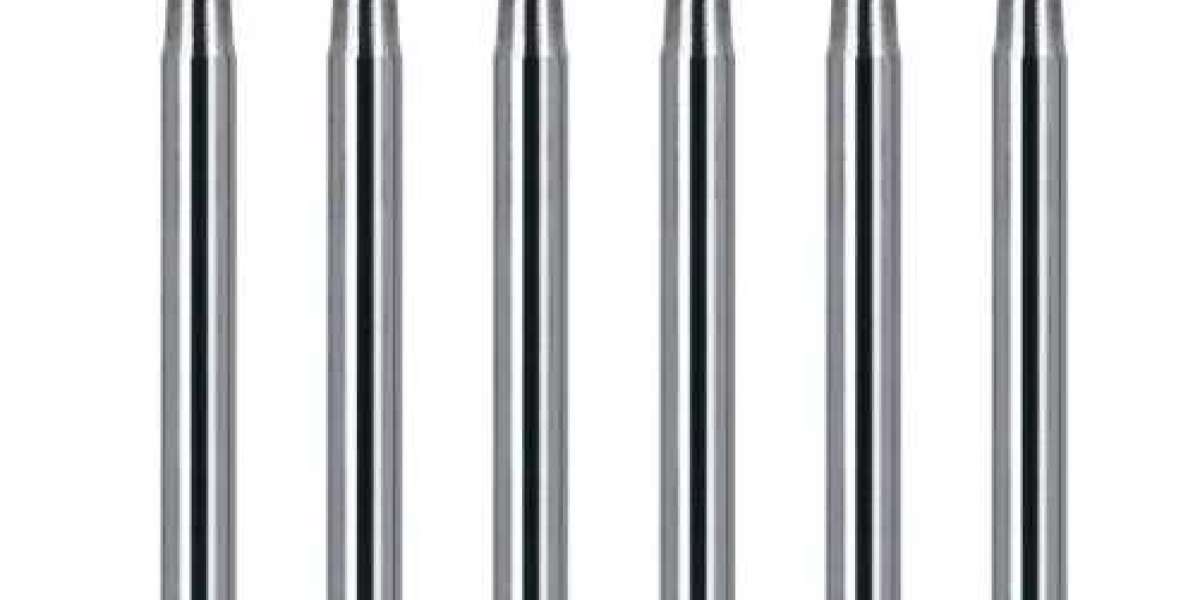

Long Shank Burs selection begins with understanding the workpiece geometry, the required working depth, and the intended finishing operation. Industrial buyers should evaluate product dimensions, cutting head design, equipment compatibility, and manufacturing specifications before placing an order. A clear purchasing process helps businesses compare available options, communicate technical requirements, and reduce the risk of receiving products that do not suit their production tasks.
Define the Application Before Comparing Products
The intended working area should guide the selection process. Recessed surfaces, internal grooves, narrow openings, and components with complicated contours may require an extended design to reach the required location. However, additional length is useful only when it corresponds with the actual machining conditions.
Buyers can begin by reviewing component drawings and identifying areas that are difficult to access. Photographs, sample parts, and dimensional measurements can help explain the application to a manufacturer. Providing these details makes it easier to discuss suitable product configurations and identify possible limitations before purchasing.
The operation itself also matters. Edge deburring, contour adjustment, material removal, and surface preparation can involve different cutting requirements. Defining the intended task helps buyers compare products based on practical use rather than appearance alone.
Examine Product Dimensions and Head Geometry
Overall length, cutting head diameter, head profile, and connection dimensions should be confirmed before an order is approved. Each measurement affects how the product fits the equipment and interacts with the workpiece.
A narrow cutting head may suit confined spaces, while a wider profile may be appropriate for larger surfaces. Different shapes can also influence access to curved edges, internal corners, and irregular contours. Buyers should consult technical drawings or measurement tables instead of relying on visual estimates.
It is equally important to check the available working clearance. A product may have sufficient reach but still be unsuitable if its head cannot enter the required space. Comparing the complete dimensions against the component design can help avoid unnecessary purchasing errors.
For repeat orders, retain the approved drawings and specifications. These records provide a consistent reference for future purchasing, incoming inspection, and communication with the supplier.
Match Cutting Characteristics With the Material
The workpiece material influences the required cutting characteristics and operating conditions. Metal fabrication, casting cleanup, mould maintenance, and component finishing may involve different material properties and surface requirements.
Buyers should explain what material will be processed, how much material needs to be removed, and what finish is expected. These details help the manufacturer discuss appropriate configurations for the intended operation.
Machine speed, applied pressure, workpiece stability, and operator technique also affect machining results. Unsuitable settings can cause uneven surfaces, excessive wear, or damage to the component. Before using a new configuration, review the applicable operating instructions and confirm suitable parameters for the equipment and material involved.
Where the application is unfamiliar, buyers should provide as much technical information as possible. Clear communication helps establish realistic expectations and reduces the chance of selecting a product that does not fit the intended process.
Confirm Equipment Fit and Safe Handling
Compatibility with the machine or holder is an essential purchasing consideration. Buyers should verify the connection diameter, permitted operating range, and overall dimensions against the equipment specifications.
Extended working sections may be more sensitive to vibration or deflection when insufficiently supported. Proper alignment, secure holding, and controlled pressure therefore matter during operation. Excessive force or unsuitable speed settings may affect surface quality and increase the risk of damage.
Operators should inspect the product and holding system before use, checking for visible damage, looseness, or other irregularities. Appropriate protective equipment and established workshop procedures should be followed throughout the task.
These precautions are particularly relevant when switching between product configurations or working on components with restricted access. Reviewing equipment requirements before production can help prevent avoidable interruptions.
Review Manufacturing Consistency and Quality Checks
For businesses placing recurring or bulk orders, consistency between batches can influence production planning and inventory management. Buyers should ask how the manufacturer checks product dimensions, cutting edge condition, surface finish, and other agreed specifications.
Technical drawings and inspection records, when available, help clarify the characteristics covered by quality procedures. They can also support communication if delivered products need to be checked against an approved specification.
Packaging and identification deserve attention as well. Suitable protection can reduce damage during transport, while clear labels help warehouse teams distinguish between different sizes and profiles. Businesses handling several product variations may benefit from keeping organized records of approved configurations and purchasing history.
When requesting quotations, buyers should clarify which specifications can be confirmed and what documentation is available. This creates a clearer basis for comparing suppliers and planning incoming inspections.
Clarify Customization and Order Conditions
Some applications require specific dimensions, cutting profiles, or packaging arrangements. Buyers preparing a customized inquiry should provide technical drawings, target measurements, estimated quantities, and details about the intended operation.
Before confirming an order, discuss sample availability, production schedules, delivery expectations, and procedures for approving specification changes. Written confirmation gives both parties a shared reference and helps reduce misunderstandings during production.
Price should be considered alongside technical suitability, inspection arrangements, packaging, and delivery terms. Comparing quotations against the same requirements makes differences easier to identify and supports a more organized purchasing decision.For manufacturers, distributors, and industrial buyers assessing cutting accessories for recessed surfaces and detailed finishing work, clear specifications make supplier discussions more productive. Visit https://www.carbidebursfactory.com/ to review the company and its product range. carbidebursfactory welcomes inquiries about dimensions, cutting profiles, workpiece materials, and order quantities to help buyers evaluate options for their production requirements.