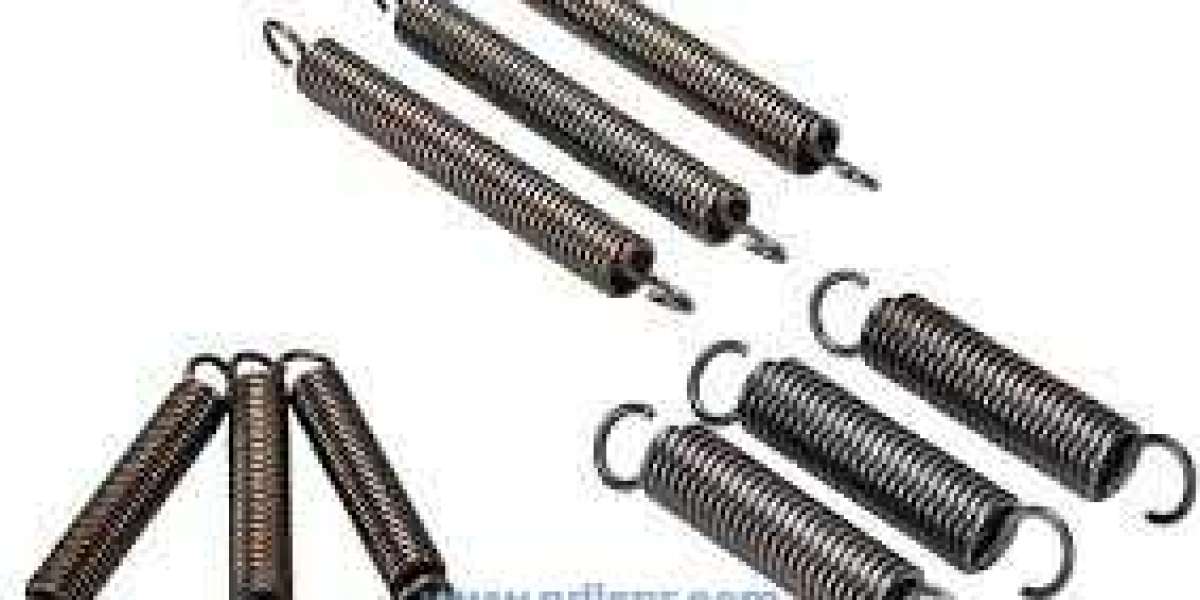

A spring that measures right yet behaves wrong teaches an engineer that dimensions are only half the contract. Two Stretch Spring samples with identical outside diameter and free length can deliver wildly different forces if wire diameter, coil pitch, or heat treatment drifted during winding, and that gap between print and performance is where ndlspr focuses its craft: how tightly can tolerances be held before physics pushes back?
Modern coiling machines hold wire placement to minute fractions of a millimeter, and closed loop controls monitor spring rate as loops form, flagging drift before it hardens into scrap. Wire itself arrives with certified tensile bands, since a slight change in diameter swings force by a power relationship, so serious factories check incoming spools rather than trusting mill paperwork.
The Tolerance Stack
Every drawing carries a stack of limits that interact. Outside diameter governs fit inside a bore or over a mandrel, free length sets preload in the assembly, and loop position decides whether hooks share load evenly. Pitch along the body controls rate, and rate tolerance often matters beyond any single dimension, because the device downstream responds to force rather than geometry. Statistical process control keeps these bands honest across thousands of pieces, and sample plans pull units for load testing at set intervals.
Heat treatment calms the metal after coiling. Stress relieving evens residual tension so springs behave identically on first stroke and thousandth, and batch ovens record soak times that auditors can trace. Skipping or rushing that step shows up later as length growth under load, the slow sag that ruins mechanisms months after inspection passed.
End loops deserve their own discipline. Machine formed hooks hold position within tight angular bands, while hand bending introduces variation that no drawing can police. Hook opening and radius decide how load enters the wire, and sharp radii concentrate stress until fatigue cracks bloom early, so tooling that forms generous bends pays for itself in cycles.
Measurement tools carry their own uncertainty. Calibrated load testers, shadowgraph projectors, and micrometers with traceable certificates give numbers weight in customer disputes, and labs that maintain that paperwork answer audits without drama. Digital load cells log force at specified deflections, building histograms that show a process centered inside its limits rather than grazing them.
Material choice moves the ceiling. Music wire handles high stress at low cost, stainless forgives corrosion in medical settings, and exotic alloys steady their behavior across temperature swings, yet each responds differently to the same tooling. A factory that winds, relieves, and tests across that spectrum knows when a tolerance is routine and when physics asks for negotiation.
Surface finishing shifts numbers as surely as coiling does. Electroplating adds thickness measured in microns, which changes wire diameter and therefore rate, so disciplined shops plate to a target and recheck load afterward rather than assuming chemistry stayed neutral. Passivation and powder free oils guard against corrosion without dimensional debt, and buyers who specify finish and tolerance together avoid surprises that arrive dressed as compliance.
Extended testing closes the loop. Set removal checks measure length before and after defined loads, salt spray cabinets rate coatings against climate promises, and cycle rigs run parts toward their design lives while inspectors plot force decay. Data from those benches feeds tolerance reviews that tighten or relax bands on evidence, and customers who receive test reports with their lots inherit that certainty instead of buying blind faith.
Cost follows tolerance as surely as heat follows current. Bands half as wide demand slower winding, frequent checks, and higher scrap, so wise buyers specify only what function needs. A lamp spring that merely returns a shade tolerates relaxed limits, while a surgical retractor justifies narrow ones, and engineers who map requirements before RFQs keep prototypes moving without gold plating.
Prototyping bridges drawing and production. Short runs on production intent machines reveal how tolerances behave at speed, and first article inspection reports give buyers a baseline for what full lots will hold. ndlspr treats every Stretch Spring prototype as a partnership, tuning wire lots and loop tooling until load curves sit inside the band the application demands.
International standards frame the conversation. Reference tables list preferred tolerances by index and size, and drawings that cite them let supplier and buyer argue from the same page. Deviations agreed in writing before tooling starts prevent a costly misunderstanding in manufacturing, the one discovered after ten thousand pieces ship.
Application stories sharpen the picture. Trampoline anchors want generous travel with safe margins, agricultural gates need weatherproof consistency across seasons, and valve returns punish any creep that alters seating force. Each case prices tolerance against failure, and the arithmetic rarely favors the loosest print.
Precision without discipline is luck, and luck fails at volume. ndlspr pairs its Stretch Spring lines with certified measurement, documented heat treatment, and load testing that treats every batch as an audition. Buyers can explore standard ranges and custom inquiries at https://www.ndlspr.com where tolerance tables, material options, and inquiry forms sit beside application notes, and the engineering desk behind that page answers tolerance questions with drawings rather than guesses.