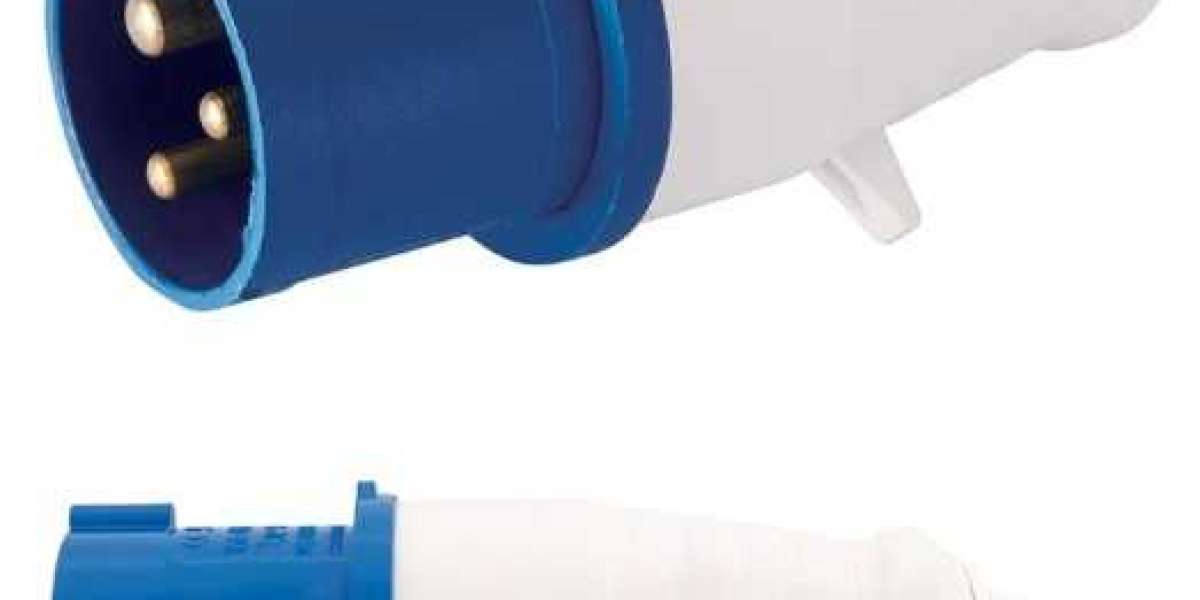

Reliable power connections are essential for industrial equipment that operates continuously or under demanding working conditions. Manufacturing plants, workshops, commercial facilities, and maintenance areas require connectors that match their electrical systems and withstand routine use. 220V Industrial Plug products are intended for compatible 220V applications, where correct ratings, secure contacts, suitable insulation, and proper installation help support stable power delivery and reduce connection-related problems.
The first step in selecting a connector is confirming the electrical requirements of the connected equipment. Buyers should check rated voltage, current demand, pole configuration, grounding requirements, and cable compatibility. A connector marked for 220V may be available in different current ratings and physical configurations. It should not be selected by voltage alone, because the complete connection must match the supply system and the equipment's operating requirements.
Conductive contacts are central to electrical performance. Copper and copper alloys are common choices because they combine good conductivity with practical mechanical properties. Contact surfaces should be designed to maintain consistent pressure and minimize unwanted resistance during normal operation. Depending on the product, surface finishes may help reduce oxidation or wear caused by repeated connection cycles. Reliable contact geometry and accurate assembly are important for limiting localized heating and maintaining stable electrical transfer.
Insulation materials protect users and equipment by separating energized components. Engineering plastics are frequently used for connector housings because they offer electrical insulation, structural strength, and flexibility in product design. Manufacturers must consider heat resistance, dimensional stability, and the expected mechanical loads when choosing materials. Proper spacing between conductive components and consistent assembly quality also contribute to dependable insulation performance.
Grounding and protective arrangements must be compatible with the electrical installation. Where protective earthing is required, the connector should provide the appropriate grounding contact and maintain continuity when correctly installed. The use of a suitable plug does not replace correctly designed wiring, overcurrent protection, or other required safeguards. Buyers should confirm the complete installation requirements and ensure that products comply with applicable local standards.
The operating environment can influence the required enclosure design. Indoor equipment may need basic protection against handling damage, while outdoor or washdown applications can require stronger protection against dust and moisture. Buyers should check the stated ingress protection rating and confirm that it is suitable for the actual exposure conditions. Cable glands, covers, seals, and mounting arrangements must be compatible with the product to preserve the intended level of protection.
Mechanical features can improve usability and reduce maintenance needs. Locking mechanisms help keep connections secure when equipment experiences vibration or cable movement. Strain relief structures limit stress where the cable enters the housing, reducing the risk of damage caused by pulling or repeated bending. A well-designed connector should also allow practical handling and straightforward identification, especially in facilities where multiple power configurations are used.
Quality control helps ensure that finished products meet their intended requirements. Depending on the connector design, manufacturing inspections may include dimensional measurement, contact resistance checks, insulation testing, grounding continuity verification, and mechanical retention evaluation. Consistent production methods can reduce variations between batches. B2B customers should review available technical documentation, quality procedures, and relevant conformity information when evaluating potential suppliers.
Maintenance is necessary even when connectors are manufactured from durable materials. Before inspection, equipment should be isolated from the power supply in accordance with established safety procedures. Qualified personnel should look for cracked housings, worn contacts, damaged seals, loose fittings, and signs of excessive heat. Components that show damage should be removed from service and replaced or repaired according to manufacturer instructions. Routine checks can help identify developing problems before they interrupt operations.
For procurement teams, connector selection should balance electrical compatibility, environmental suitability, durability, and supply requirements. Confirm current capacity, pole arrangement, cable specifications, mounting method, and any required certifications before ordering. Distributors and equipment manufacturers may also benefit from standardizing compatible components to simplify purchasing and replacement processes.
Selecting the right 220V Industrial Plug means evaluating the complete operating environment rather than relying on voltage compatibility alone. Proper contact design, insulation quality, grounding, and mechanical construction all support dependable connections. Businesses seeking industrial plug and socket solutions can visit https://www.socketsfe.com to review available options and confirm product specifications for their applications.