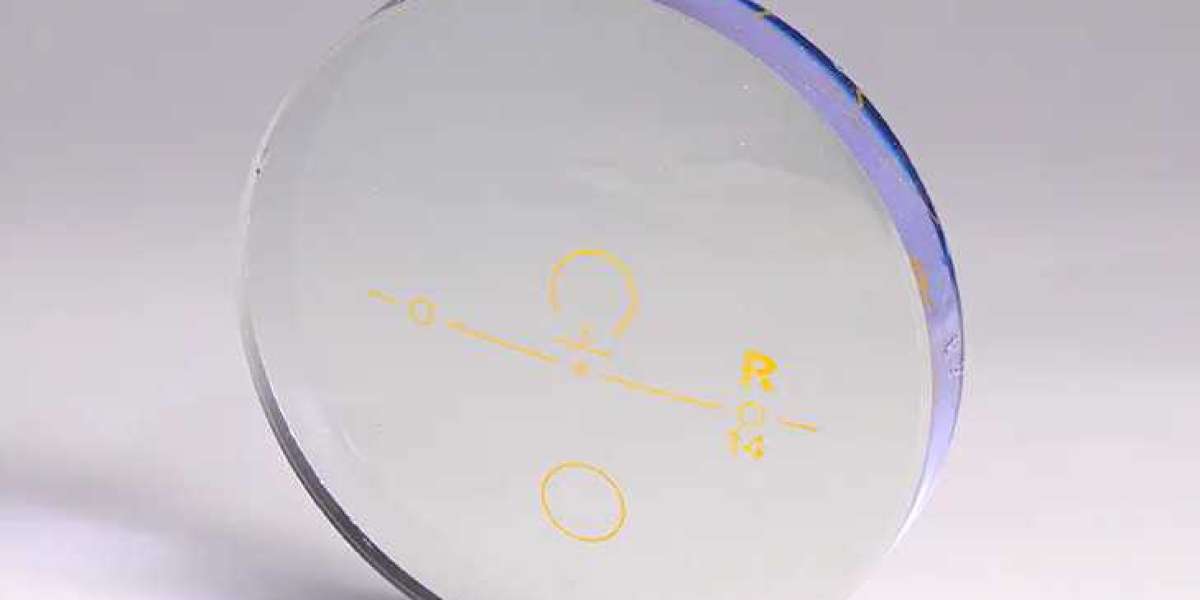

As eyewear users move between indoor spaces and outdoor environments, changing light conditions create different demands on optical products. Photochromic Blue Glasses combine light-responsive optical technology with a design approach intended for users who want adaptable visual characteristics throughout the day. For professional buyers, understanding the underlying materials, manufacturing processes, surface treatments, and quality controls is important when developing a reliable product range.
Photochromic behavior depends on specialized materials that respond to changes in light exposure. When exposed to appropriate ultraviolet radiation, photochromic components can undergo a reversible change that alters the lens appearance. When the exposure decreases, the material gradually moves back toward its original state. The practical behavior of a finished lens depends on the material system, lens construction, environmental conditions, and manufacturing process.
The optical substrate provides the foundation for this technology. Resin materials are commonly used in modern eyewear because they can support complex optical designs while allowing manufacturers to integrate additional functional treatments. Material selection should consider optical clarity, processing stability, compatibility with photochromic technology, surface quality, and the intended market application. A stable substrate provides a more predictable foundation for subsequent manufacturing stages.
Blue-tinted or blue-associated optical designs introduce additional considerations. The visual appearance of the finished product depends on how color characteristics interact with the base material and any additional treatment. Manufacturers need to maintain consistency in material composition, processing conditions, and finishing procedures so that products within the same production batch present a uniform appearance. This is particularly important for distributors managing coordinated product collections.
Digital optical design also plays an important role. Prescription requirements, lens geometry, thickness distribution, and fitting characteristics must be considered when developing adaptive optical products. Computer-assisted design can help manufacturers manage these factors with greater precision. Connecting digital design information with modern production equipment can improve repeatability and make customized orders easier to coordinate.
Surface processing is another critical stage. Grinding and polishing establish the optical geometry and surface quality before additional treatments are applied. Any inconsistency at this stage can influence the appearance and performance of subsequent coatings. Controlled cleaning is equally important because contaminants or surface imperfections can interfere with treatment adhesion and create unwanted variations.
For buyers evaluating Photochromic Blue Glasses, coating compatibility should be considered as part of the complete product design rather than as an isolated feature. Anti-reflective or protective treatments may be selected according to the intended application and market expectations. Manufacturers must ensure that the selected coating system works appropriately with the underlying lens material and photochromic structure. Controlled application and inspection help maintain consistency across production batches.
Environmental conditions can also influence the behavior of adaptive optical materials. Temperature, light intensity, exposure duration, and surrounding conditions may affect how quickly a lens changes appearance and returns toward its original state. These variables should be considered when communicating product characteristics to distributors and end users. Clear technical information helps prevent unrealistic expectations about how adaptive materials behave under every possible condition.
Quality control should cover more than appearance. Manufacturers can evaluate optical properties, surface uniformity, color consistency, coating quality, and production accuracy throughout the workflow. Incoming material checks and equipment calibration help establish stable conditions before manufacturing begins, while final inspections confirm that finished products meet defined specifications.
International buyers may also require different product configurations for different markets. Prescription options, lens shapes, surface treatments, packaging, labeling, and documentation can vary according to customer requirements. A manufacturer with structured production and communication procedures can translate these requirements into repeatable manufacturing instructions and reduce the possibility of specification errors.
Sustainable production is another consideration for modern optical businesses. Efficient material utilization, optimized processing, appropriate packaging, and durable product design can help reduce unnecessary waste. These practices can be incorporated into production planning without separating sustainability from quality and commercial requirements.
Adaptive eyewear depends on the interaction of materials, optical engineering, surface treatment, manufacturing control, and user environment. Buyers who understand these relationships can communicate more precise specifications and evaluate suppliers more effectively. Thinkey Optical Co.,Ltd develops optical products for professional eyewear markets, with additional information about its lens manufacturing capabilities available at https://www.thinkeyoptical.com.









