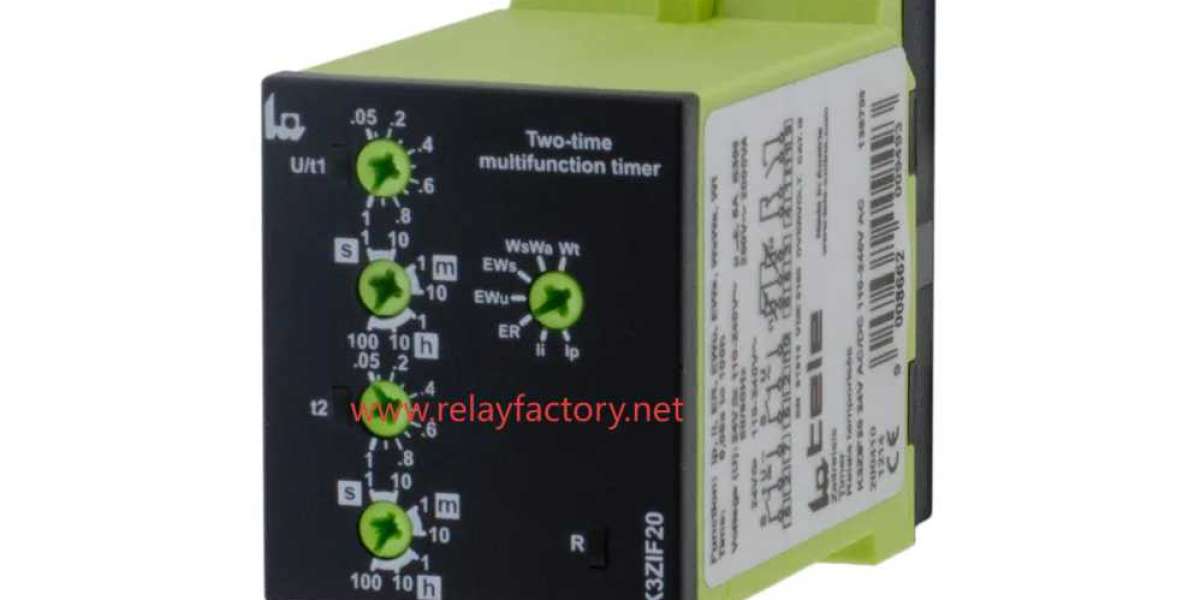

Multifunction Time Relay selection should begin with the actual control task rather than the product name alone. Buyers working with machinery, automation equipment, electrical cabinets, pumps, lighting systems, or other control applications may need several operating sequences within different projects. Reviewing available functions, electrical conditions, adjustment requirements, wiring, installation space, and testing arrangements can help create a clearer specification before purchasing. A detailed evaluation also gives buyers a better basis for discussing samples, customization, and regular production with a manufacturing partner.
Identify the Control Sequence First
Every application has a specific sequence that the control component needs to follow. The output may need to activate after a delay, remain active for a selected period, switch between states, or repeat a particular cycle.
Buyers should describe this sequence before choosing a configuration. A simple written explanation can include the starting signal, expected delay, output action, reset condition, and required repetition. This information gives the technical team a practical reference instead of relying only on a general product category.
For equipment with several operating stages, buyers can also prepare a simple flow chart. This makes it easier to determine which function is required and whether one configuration can accommodate the intended control process.
Review Available Operating Modes
Multiple operating modes can provide flexibility for projects with different control requirements. However, having several choices also means buyers need to understand what each mode actually does.
Before purchasing, check how each mode starts, how the output changes, and what condition resets the operation. Buyers should also confirm whether the selected mode can be adjusted directly by the operator or needs to remain fixed after installation.
It can be useful to test the intended operating mode with the actual equipment rather than making a decision from a specification sheet alone. This approach allows engineers to observe the complete control sequence under practical conditions.
Match Electrical Parameters
Electrical compatibility should be confirmed before an order is placed. Buyers can provide the required supply voltage, current conditions, AC or DC requirements, contact arrangement, switching capacity, and connected load.
The type of load matters because different equipment can create different operating conditions. A control circuit connected to a simple device may have different requirements from one connected to a motor, solenoid, contactor, or other equipment.
Terminal configuration should also be reviewed. Clear information about connection points and wiring can help engineers determine whether the proposed configuration can be integrated into an existing control system without unnecessary changes.
Consider Adjustment Requirements
Different projects may require different adjustment ranges. Buyers should determine the approximate delay needed for each application before selecting a suitable configuration.
The adjustment method is also worth reviewing. Some users may need frequent changes during equipment setup, while others may prefer a fixed setting after commissioning. The position of adjustment controls can also affect accessibility when the component is installed inside a cabinet.
If one project includes several operating requirements, buyers can list them separately and discuss whether one configuration can accommodate the required range or whether different versions should be considered.
Check Installation Conditions
Physical design can influence the practical installation process. Buyers should check housing dimensions, mounting method, terminal position, available cabinet space, and access to adjustment controls.
For replacement projects, comparing the new component with the existing installation can help identify possible differences before purchasing. Providing dimensions, drawings, or photographs can make technical communication more precise.
The surrounding equipment should also be considered. A component installed close to other devices may have different space requirements from one mounted separately, so the complete cabinet layout can be useful during product discussions.
Test Samples Before Larger Orders
Sample testing can help buyers verify whether the selected configuration works with their equipment. Engineers can install a sample and observe the complete operating sequence under actual working conditions.
During testing, buyers can review wiring, mounting, adjustment, switching behavior, response to the control signal, and interaction with connected equipment. If a parameter needs adjustment, the change can be discussed before a larger quantity is manufactured.
A confirmed sample can then become a reference for future orders. Keeping the approved specifications and configuration details organized can help maintain consistency between the initial project and later purchasing requirements.
Review Customization Options
Some applications require specific configurations that may differ from standard requirements. Buyers should explain their technical needs clearly and ask whether drawings, samples, labels, terminal arrangements, or other details can be discussed for customization.
For customized projects, written confirmation is useful. Voltage, contact arrangement, adjustment range, housing dimensions, labeling, packaging, and other requirements should be recorded before production begins.
relayfactory provides product information and project communication for buyers working with different control requirements. Sharing application details at the inquiry stage can help create a more focused discussion about configuration, samples, and production arrangements.
Look at Production Communication
Good communication is particularly important when several versions are included in one order. Buyers can prepare a specification list showing model requirements, quantities, electrical parameters, installation details, packaging instructions, and inspection points.
This information can help purchasing and engineering teams maintain the same reference throughout the order process. When a change is required, the revised specification should be confirmed before production continues.
Buyers can also ask about production scheduling, sample approval, product identification, and packaging. These details become increasingly useful when an initial project develops into repeated purchasing.
Match the Product to the Real Project
Choosing a suitable control component is ultimately about matching its functions with the actual equipment and operating sequence. Buyers can evaluate the required mode, electrical conditions, adjustment range, physical design, installation method, sample performance, customization needs, and production arrangements together.
A structured checklist can make this process easier. Instead of comparing products only by appearance or price, purchasing teams can record the technical requirements that matter for their application and use the same criteria when communicating with different suppliers.
For businesses sourcing flexible control components for machinery, automation systems, electrical cabinets, and equipment projects, relayfactory provides product information and direct project communication. Visit https://www.relayfactory.net/ to review the available products and discuss application requirements, technical specifications, samples, and customized purchasing needs.