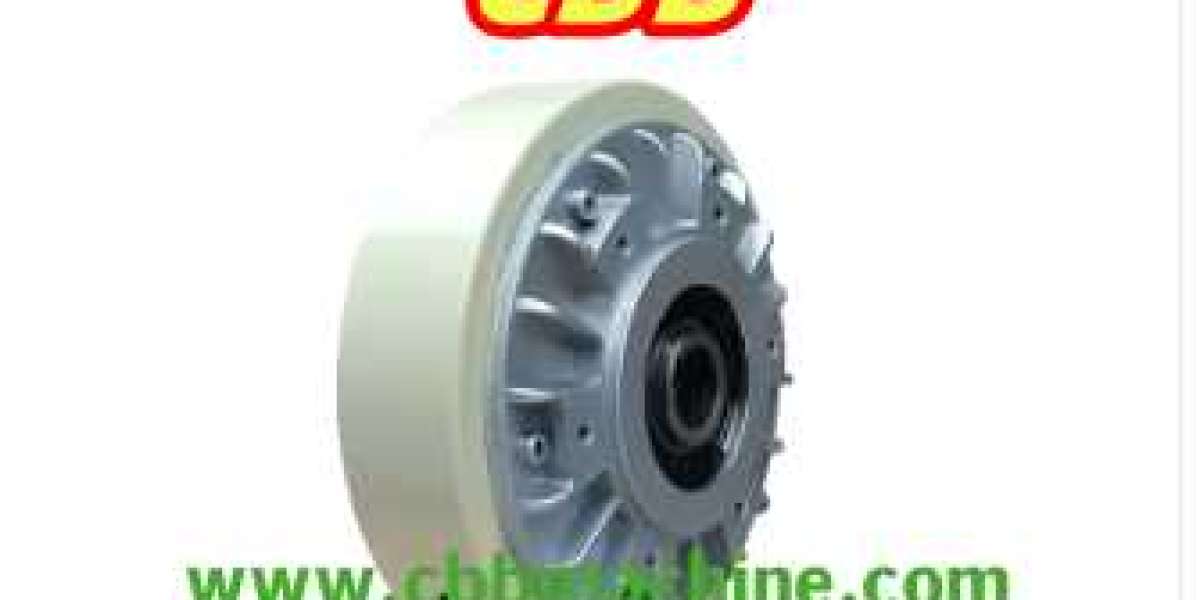

When industrial machinery needs controlled torque transmission and adaptable motion, a Magnetic Powder Clutch from Cbbmachine can provide a practical solution for coordinating rotating components. Using electromagnetic force to regulate torque through magnetic powder, this device allows machinery designers to manage power transfer according to changing production requirements. Its operating characteristics make it relevant to equipment that depends on controlled engagement, smooth operation, and flexible transmission arrangements.
In manufacturing environments, different machine sections often need to operate together without transferring motion in an uncontrolled manner. Materials may move through winding stations, feeding mechanisms, printing units, or packaging systems, each with distinct operating demands. A controllable clutch helps manage the relationship between driving and driven components, giving operators greater flexibility when coordinating machine movement.
The working principle centers on magnetic powder positioned within the clutch assembly. When electrical current generates a magnetic field, the powder forms a connection between internal rotating components. The strength of this connection changes with the applied excitation, allowing transmitted torque to be adjusted. This approach supports controlled engagement and makes the device suitable for applications where operating conditions may vary throughout a production cycle.
One useful feature is the ability to regulate torque without depending entirely on rigid mechanical engagement. In winding applications, for example, the clutch can help manage the transfer of rotational force as material handling conditions change. When integrated with a suitable control system, it can contribute to coordinated movement and help maintain a more predictable operating process. Actual performance depends on equipment design, control settings, thermal conditions, and application requirements.
Selecting an appropriate clutch requires careful attention to the surrounding machinery. Shaft arrangements, installation space, torque characteristics, operating speed, electrical requirements, and heat dissipation should all be evaluated before purchase. Compatibility with the control equipment is equally important because the clutch must respond appropriately to the intended operating method. Reviewing these factors helps reduce installation difficulties and supports more consistent system integration.
This technology can serve a range of industrial applications, including printing equipment, converting machinery, winding systems, packaging lines, and automated production installations. Each application places different demands on torque transmission. Some require gradual engagement, while others depend on adjustable force to coordinate material movement. Identifying the actual function within the machine helps engineers select a configuration that addresses the relevant mechanical requirements.
Maintenance planning is another consideration for dependable operation. Magnetic powder clutches work under conditions that may generate heat, so appropriate ventilation and adherence to operating recommendations are important. Regular inspection of electrical connections, mounting structures, and surrounding components can help identify developing issues. Operators should also follow supplier guidance concerning installation, adjustment, and service procedures to preserve suitable working conditions.
Beyond the transmission mechanism itself, a carefully selected clutch can influence how different parts of a machine respond to one another. Controlled torque transfer may support smoother coordination, simplify certain adjustment tasks, and give equipment designers additional options when developing motion-control systems. These advantages are most meaningful when the component is selected according to the machine's actual operating needs.
Before choosing a unit, manufacturers should define their transmission requirements and consider how the clutch will interact with the motor, driven mechanism, and control system. Clear technical discussions can help establish appropriate operating expectations and identify a suitable installation approach. Taking time to review these details supports informed purchasing decisions and a more considered equipment design.
A well-planned motion system begins with understanding how each component contributes to the complete process. Visit https://www.cbbmachine.com/product/ to review industrial component information, consider available equipment options, and gather ideas for your next engineering project. Your next design question may open the door to a more practical way of managing machine movement.